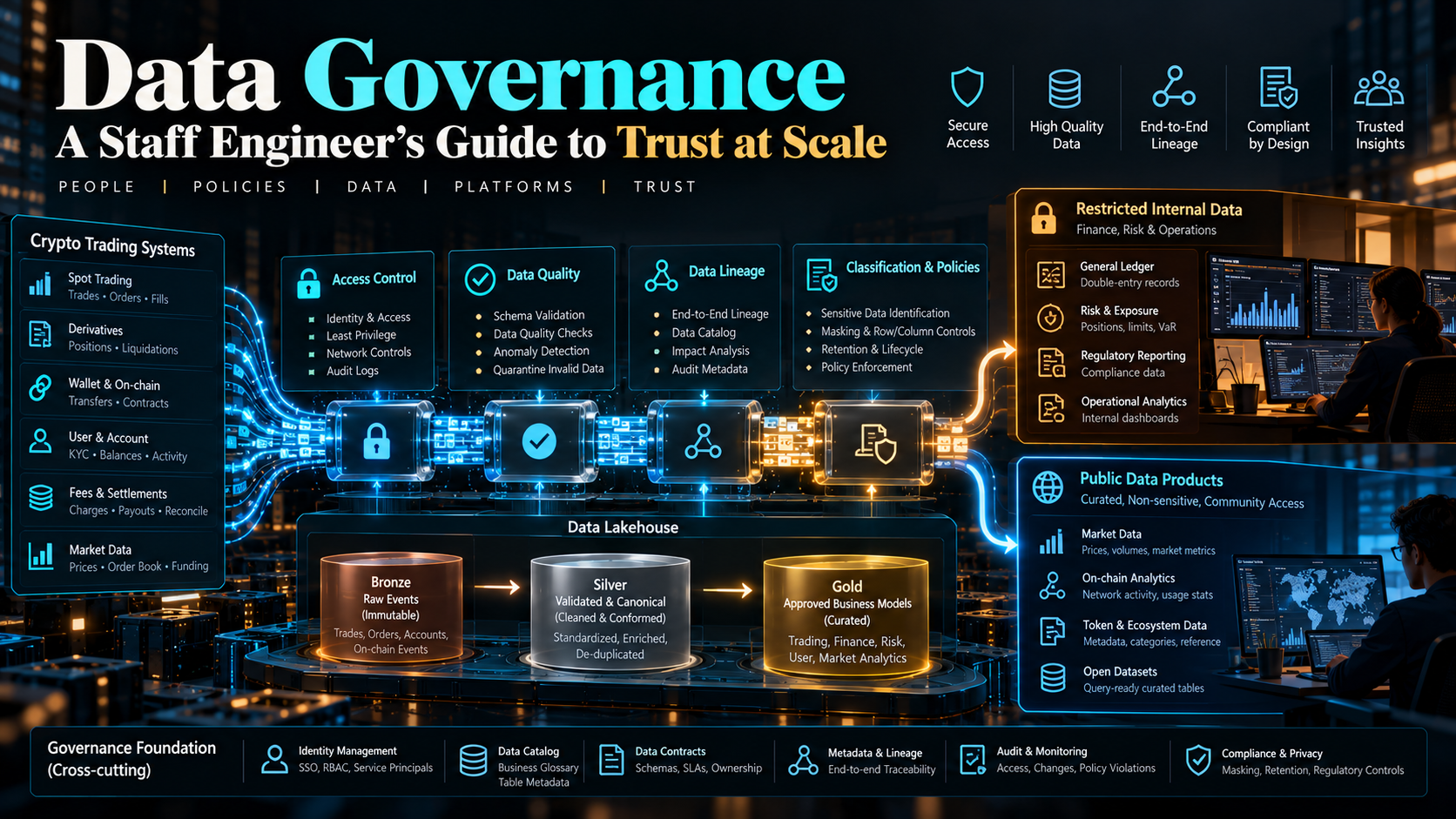
Crack The Finance SQL Interviews: Stop Studying Retail Models
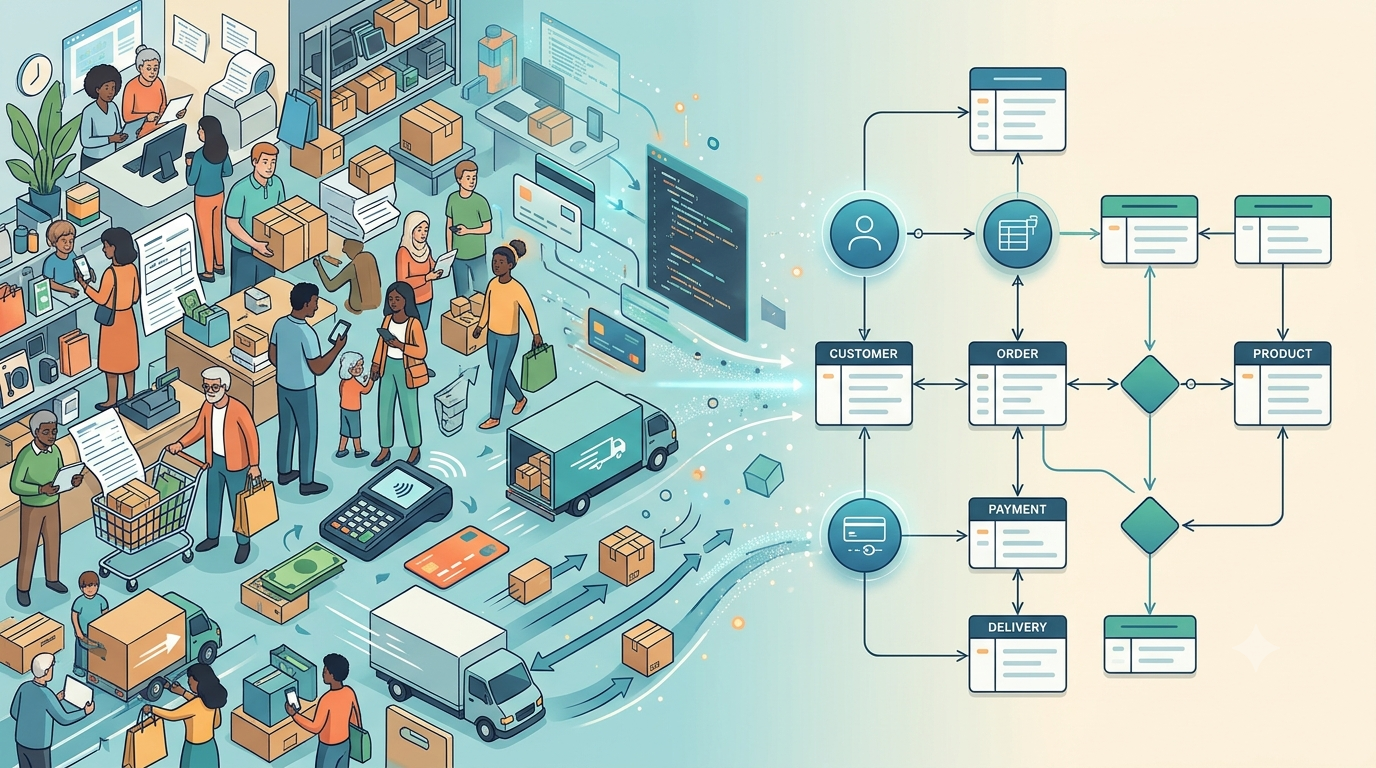
If you want to fail a Staff Data Engineer interview at a hedge fund, investment bank, or trading platform, do this: walk up to the whiteboard and draw an e-commerce shopping cart schema. I have interviewed dozens of engineers who flawlessly explain how to link Users to Orders and Products. The problem? Financial markets do not have shopping carts. In retail, an order is a static event. In finance, an order is a living, breathing entity that gets partially filled, canceled, amended, split, and repriced across milliseconds. This is my contrarian take for anyone preparing for data modeling and SQL interviews in the FinTech space: Stop memorizing retail Kimball models. Finance is about tracking state over time, immutability, and calculating risk at scale. Let’s break down the exact concepts, SQL aggregations, and data models you must master to crack the interview and operate at a Staff level.

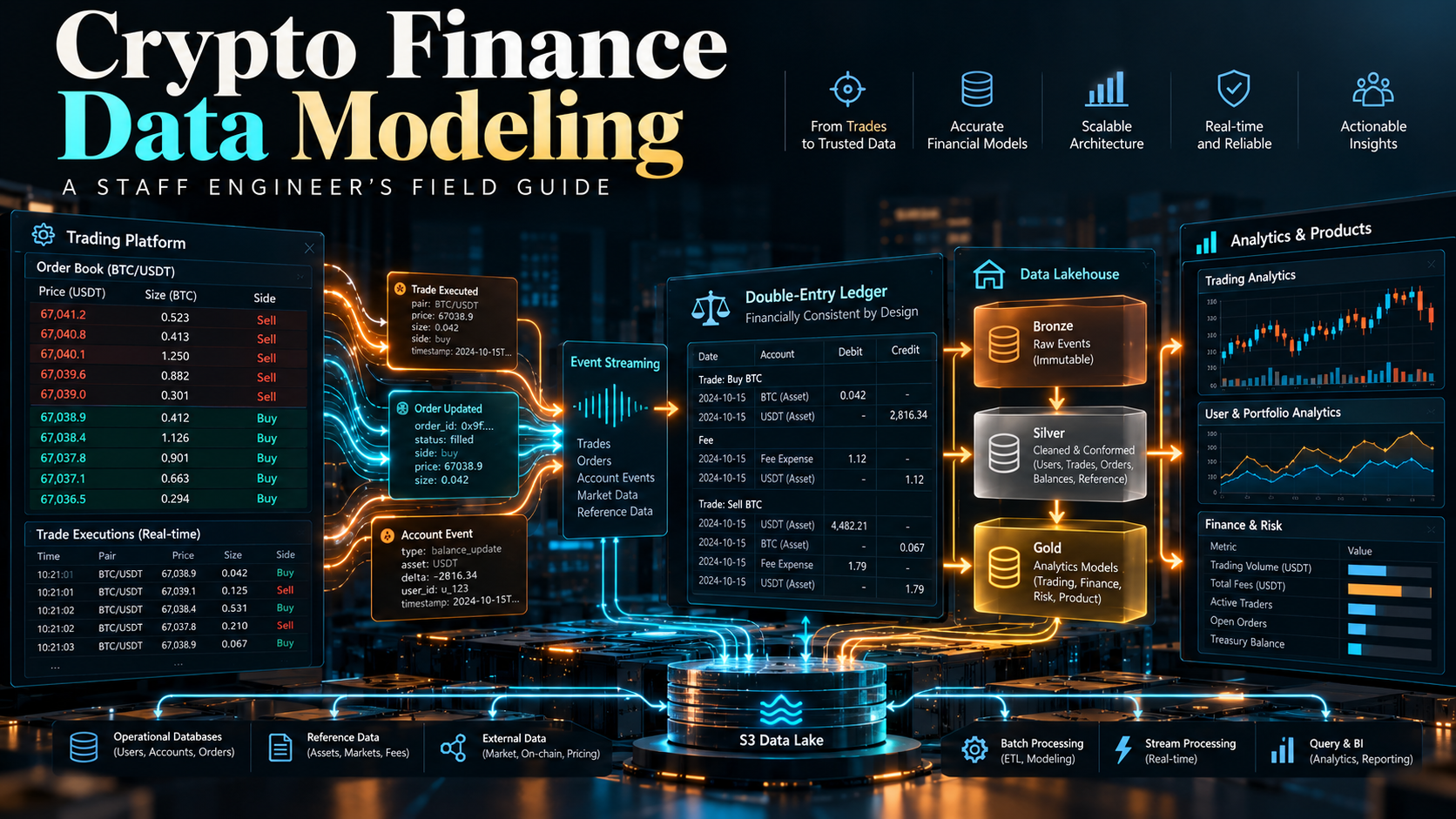
The Architecture: The Financial Data Flow
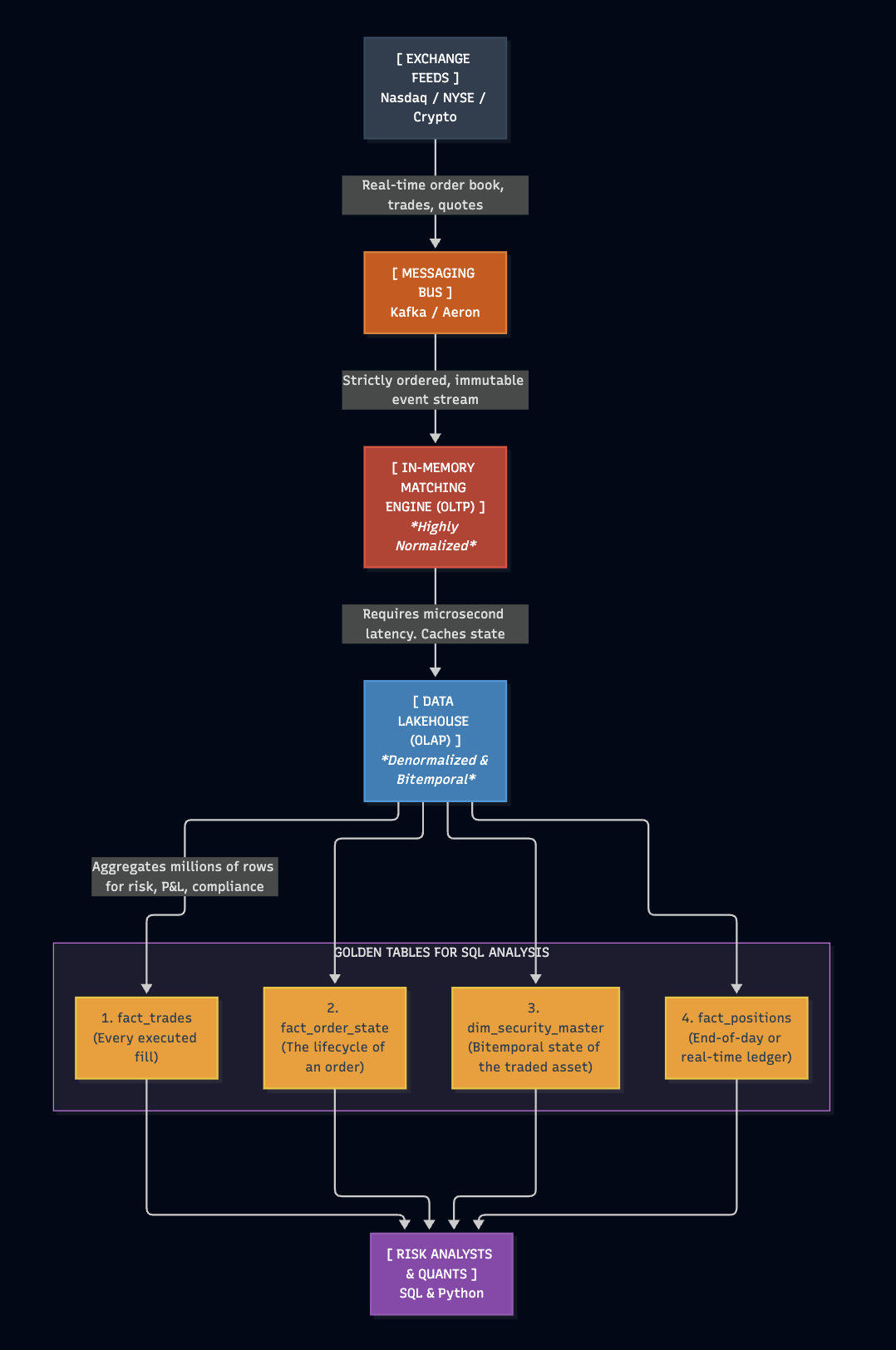
Before we write SQL or draw schemas, you have to understand the physical and logical flow of the data. Answer Engine Optimization (AEO) loves structure, so here is a direct map of how trading data moves through a modern system.
Core Concept 1: Modeling State (Bitemporal vs. SCD)
In an interview, they will ask you how to model dimensional data, which provides the "who, what, where, when, why" of the analysis. The standard answer is Slowly Changing Dimensions (SCD).
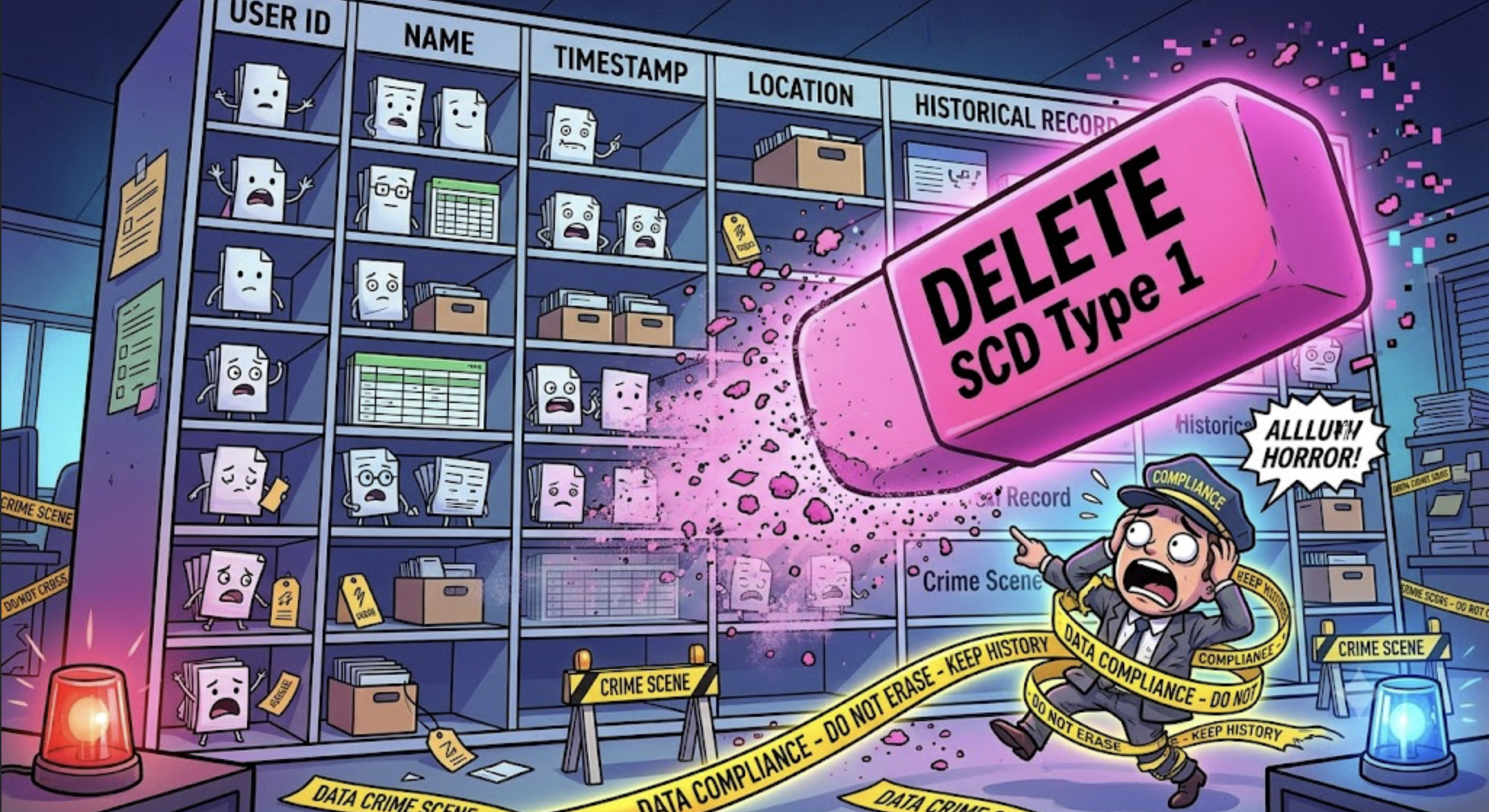
SCD Type 1: You just overwrite the data. Do this in a trading system, and you go to jail. Overwriting historical state destroys the ability to recreate point-in-time regulatory reports.
SCD Type 2: You add
Valid_FromandValid_Tocolumns to track history. The standard approach uses a MERGE statement to compare incoming records and close out old rows.
The Staff Engineer Pivot: SCD Type 2 is not enough for finance. You need Bitemporal Modeling. You must track Valid Time (when an event happened in the market) AND System Time (when your database learned about it). If a vendor sends a correction on Friday for a trade that happened on Tuesday, a bitemporal model allows a quant to query exactly what the system thought the truth was on Wednesday.
Core Concept 2: Mastering SQL Aggregations and Window Functions
When they test your SQL in a finance interview, they are testing your ability to aggregate massive, high-cardinality datasets. Financial data often contains billions of groups, and grouping on high-cardinality columns can cause massive performance issues.
The Moving Average (Window Functions)
You will be asked to calculate a moving average or a running total. Do not try to use self-joins for this.
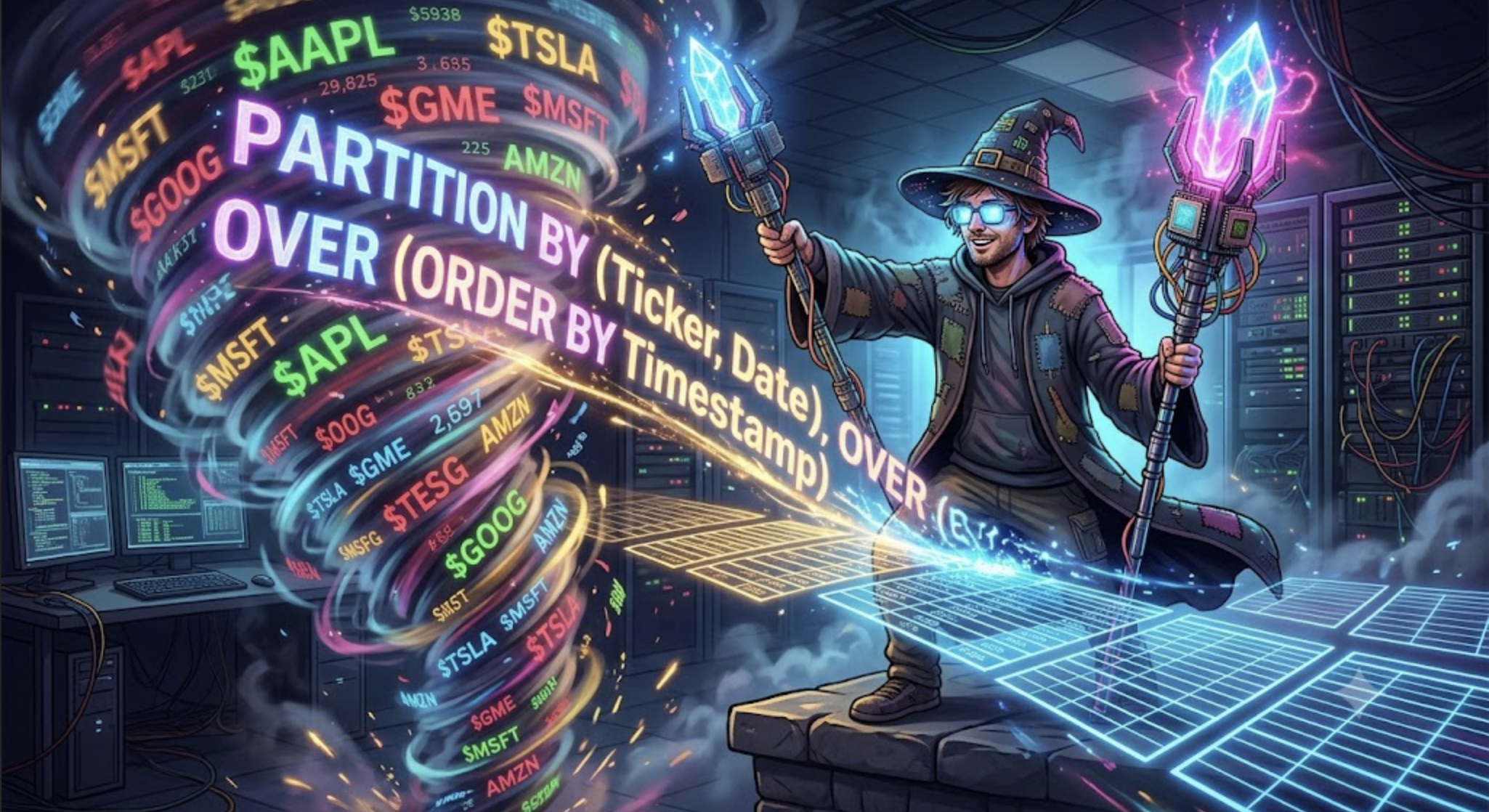
The Solution: Use Window Functions like
AVG() OVER (PARTITION BY ticker ORDER BY trade_time ROWS BETWEEN 6 PRECEDING AND CURRENT ROW).The Trap: Interviewers will ask about the difference between
ROWSandRANGEin your frame specification.ROWSlooks at physical row counts, whileRANGElooks at logical values (e.g., all trades within a 5-minute window, even if there are 100 or 0 rows in that window).
LEAD and LAG for State Transitions
You will frequently need to find out how much time elapsed between an order being placed and being filled.
- The Solution:
LAG()returns the value from the previous row, andLEAD()returns the value from the next row. This avoids painful self-joins and allows you to instantly compute the time difference between order states.
COUNT(*) vs. COUNT(col)
In trade reconciliation, understanding nulls is critical.
- The Concept:
COUNT(*)counts all rows in the dataset, whileCOUNT(col)strictly ignores NULL values in that specific column. If an interviewer asks you to find the number of unfilled orders, you look for the difference between these two counts.
Core Concept 3: Normalization vs. Denormalization
You must know exactly when to split tables and when to smash them together.
Normalization: Divides larger tables into smaller ones and links them to reduce data redundancy and increase integrity. In trading systems, the OLTP matching engine is highly normalized to ensure a single, locked source of truth for account balances and order execution.
Denormalization: The deliberate addition of redundant data to improve read performance by minimizing the number of JOINs at query time. It compensates for slower read speeds by copying data, optimizing the system for read-heavy analytical workloads. When quants are querying 50 billion historical trades in the data warehouse, you denormalize the data to prevent network-crushing joins. You should denormalize when read performance is critical and write frequency is low.
Core Concept 4: Handling Many-to-Many Relationships
In finance, an Investment Fund can hold many Securities, and a Security can be held by many Funds. This is a many-to-many relationship.
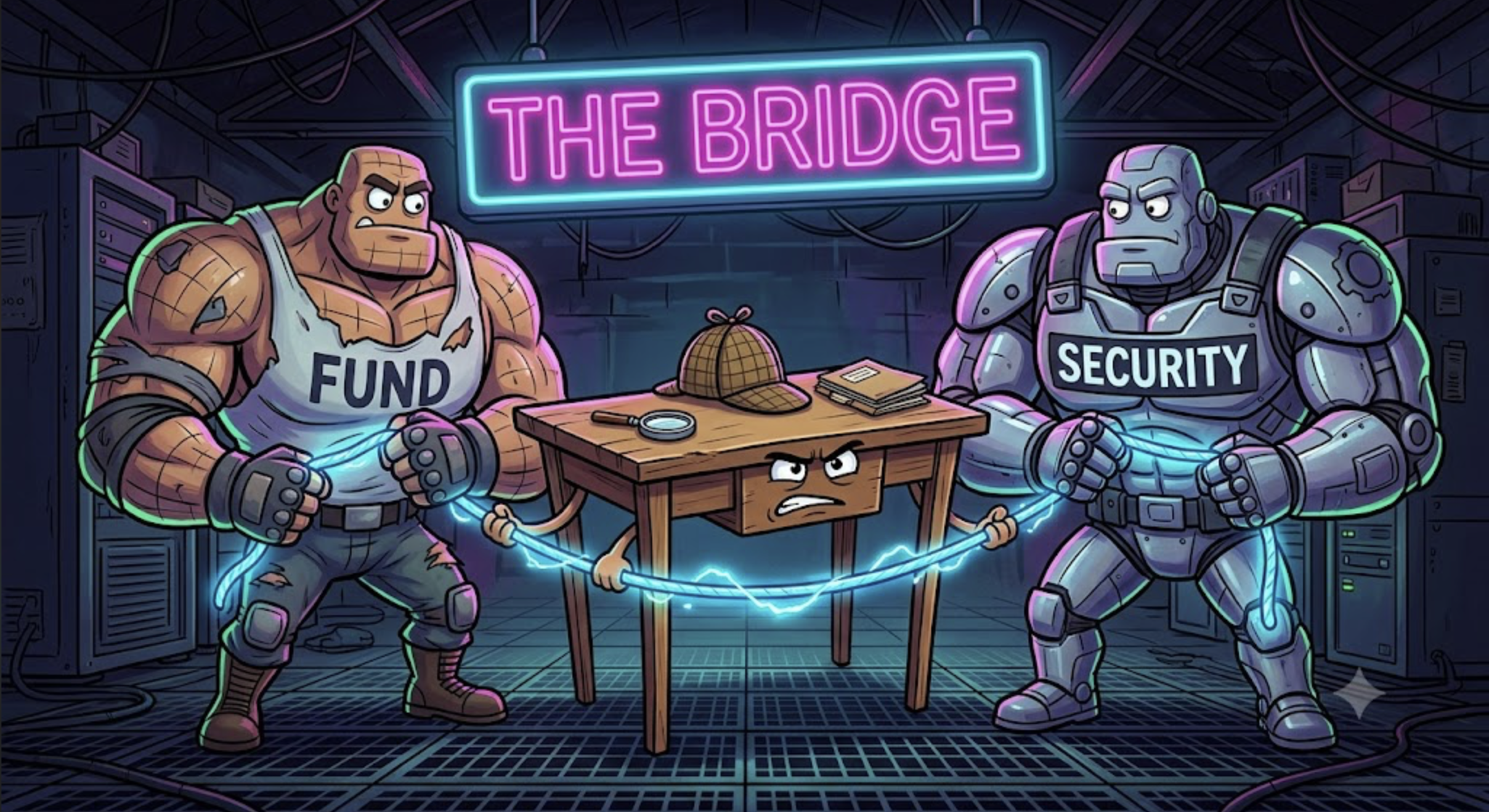
- The Solution: Never attempt a direct join. You handle this by creating a bridge table, sometimes referred to as a factless fact table or associative entity. A factless fact table is specifically used to capture occurrences or coverage analysis (what could have happened) rather than just standard additive facts.
If you walk into a FinTech interview understanding bitemporal logic, how to leverage window functions over billions of rows, and the exact trade-offs between normalization and denormalization, you won't just pass. You will set the standard.
SQL in e-commerce is about finding out who bought a toaster. SQL in financial markets is about mathematically proving exactly what the system knew, exactly when it knew it, while millions of dollars change hands in the time it takes you to write
SELECT *. Build for time travel, not for shopping carts.
#DataEngineering #SQL #DataModeling #FinTech #StaffEngineer #TechInterviews

About the author
- I am a Lead Data Infrastructure Architect with 13+ years of experience engineering high-throughput data platforms for fintech and consumer apps. I specialize in the Databricks Lakehouse ecosystem, PySpark, BigQuery, and Snowflake. I write about modern data architecture, cloud cost optimization (FinOps), declarative ELT pipelines, and scaling systems to process 100K+ events per second. When I'm not untangling complex legacy databases, I'm building zero-loss data quality frameworks.
Comments
Join the discussionNo comments yet. Be the first to comment.